
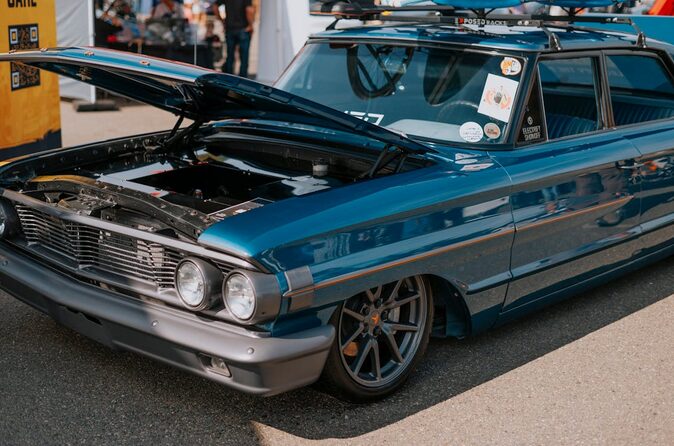
Suspension systems play a critical role in how vehicles handle the road. They absorb shocks, enhance stability, and contribute to ride comfort. But have you ever wondered how these systems evolved over time? The transition from classic to modern suspension technology has revolutionized driving experiences. Classic suspension designs, with their simple mechanics, delivered reliable performance for decades. This evolution raises an interesting question: which system offers the best ride quality? For example, the 1st Gen NSX buyer might appreciate the car’s pioneering double-wishbone suspension, which offered precision and balance ahead of its time. Blending classic design with a modern driving feel. In this blog post, we will dive deep into the fascinating world of suspension systems.
The Evolution of Suspension: From Classic to Modern
Suspension systems have undergone remarkable changes since their inception. Early vehicles relied on simple leaf springs, which provided basic support but lacked comfort. These traditional setups often translated road imperfections directly to the cabin. As technology advanced, engineers began experimenting with more complex designs. The introduction of coil springs marked a significant shift. They offered better load distribution and improved ride quality, enhancing driver and passenger experience. The late 20th century saw the rise of modern suspension systems that incorporate shock absorbers and anti-roll bars. This innovation resulted in enhanced stability during turns and reduced body roll.
Key Differences between Classic and Modern Suspension Systems
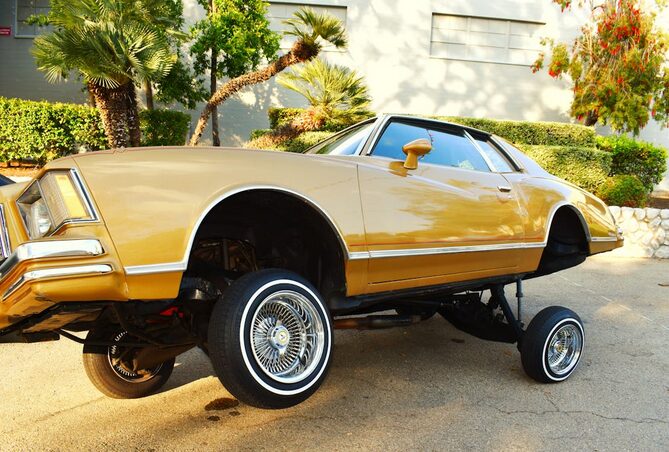
Classic suspension systems typically rely on simple designs like leaf springs and MacPherson struts. These setups focus primarily on durability and basic comfort, often leading to a bouncy ride over uneven terrain. In contrast, modern suspension employs advanced technologies such as adaptive dampers and air springs. This innovation allows for real-time adjustments based on road conditions, enhancing both performance and passenger comfort. Another significant difference lies in weight distribution. Classic systems can be heavier, affecting handling dynamics. Modern materials reduce weight while improving strength, contributing to better fuel efficiency.
Pros and Cons of Each System
Classic suspension systems often provide a nostalgic driving experience. They have simpler designs that are easier to maintain and repair. You can appreciate their robust construction, which contributes to longevity in many cases. However, they might lack the refinement found in modern setups. Ride comfort can suffer on uneven surfaces, leading to a bumpier experience overall. On the other hand, modern suspension systems boast advanced technology. Features like adaptive dampers deliver superior ride quality and handling precision. You’ll enjoy smoother drives even over rough terrain.
Factors Affecting Ride Quality

Ride quality is influenced by several factors. One significant aspect is the type of suspension system used. Classic systems, like leaf springs and solid axles, often provide a different feel compared to modern independent setups. Tire selection also plays a crucial role. The size, tread pattern, and pressure can drastically affect how your vehicle interacts with the road. Wider tires may offer better grip but could sacrifice comfort on uneven surfaces. Road conditions cannot be overlooked either. Potholes, speed bumps, and gravel paths demand varying levels of response from your suspension system. Weight distribution within the vehicle impacts ride dynamics as well. A balanced load will enhance stability while an uneven setup might lead to discomfort during rides.
Choosing the Right Suspension System for You
Selecting the right suspension system is a crucial decision for any vehicle owner. Your choice should align with your driving habits and lifestyle. Consider how you use your vehicle. Do you frequently tackle rough terrains, or do you mainly drive on smooth highways? Different systems cater to different needs. Budget also plays a key role. Classic systems can be more affordable but may lack advanced features found in modern setups. Weighing performance against cost will help narrow down options. Don’t overlook maintenance requirements either. Some systems require more attention than others, impacting long-term costs and convenience.
Suspension systems play a crucial role in defining the driving experience. The transition from classic to …
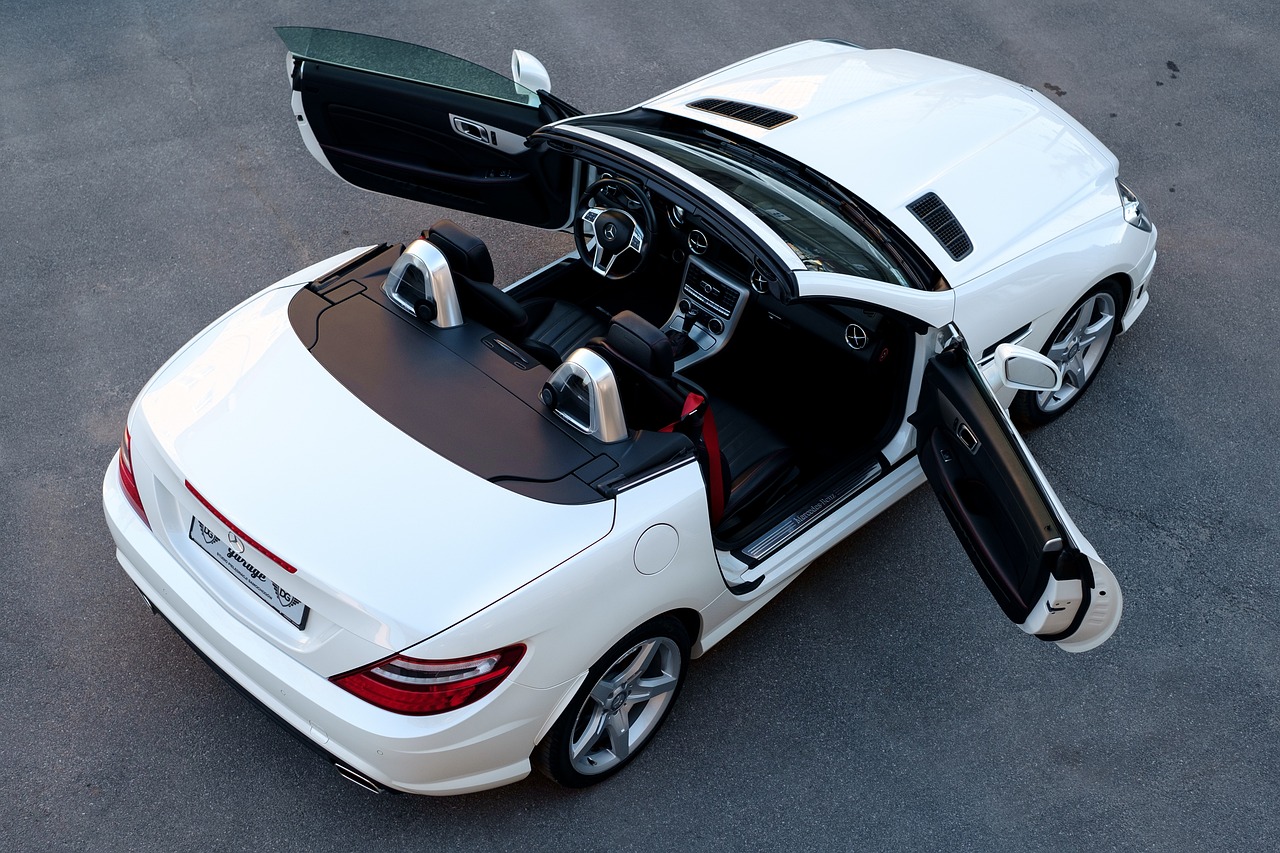
 Does your classic cruising companion need a little bit of touch-ups? You see, over time, the paint on vintage cars can become dull, faded, or marred by imperfections like swirl marks and scratches. To address these issues, professional detailers use specialized techniques to revitalize the paintwork. Paint correction involves meticulously removing surface defects through polishing and buffing processes. This not only enhances the visual appeal of your classic car but also protects the underlying metal from corrosion and rust. By smoothing out imperfections and restoring clarity to the paint finish, you can achieve a showroom-worthy shine that will turn heads wherever you go.
 What makes classic cars so sexy is their leather interior. However, over time, leather can become dry and cracked if not properly cared for. Regular conditioning helps preserve the quality and longevity of the leather upholstery. Using a high-quality leather conditioner not only keeps the leather soft and supple but also protects it from UV damage and general wear and tear. Before applying any conditioner, ensure that the leather is clean by gently wiping it down with a damp cloth. Regular maintenance and





 Once you know what you want to achieve, it’s time to start researching. This is the most crucial step in starting your collector car journey. Research will help you identify the makes and models of cars you’re interested in, their history, values, and current market trends.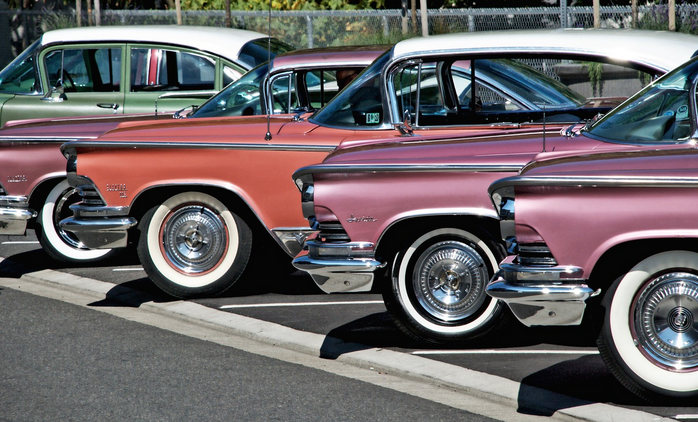



 The initial cost of purchasing a used car will depend on the make, model, and year of the vehicle. The actual price you pay may also be affected by factors such as its condition, mileage, and extra features. Be sure to factor in any taxes or fees associated with the purchase when calculating your total cost. The price range of used cars can vary greatly. It’s important to research the market and determine what a fair price range is for the make and model of the car you are looking to buy.
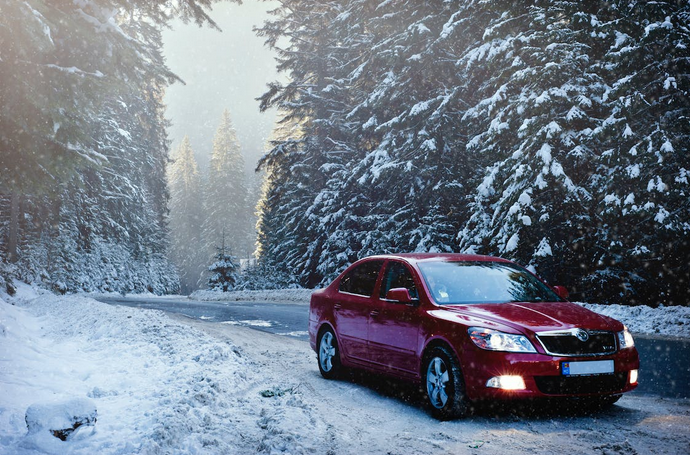

 When charging an EV in the cold, you have a few options. Most public charging stations are designed to work in both hot and cold temperatures, so you can still charge at these locations even when it’s cold outside. However, you should keep in mind that the charge rate will usually be lower when it’s colder, so it may take longer to top up your battery. Another option is home charging. This is generally more convenient since you don’t have to leave the house to charge your car—you can do it from the comfort of your own home.

 As we mentioned before, the cargo space you need will largely depend on your lifestyle. If you only use your car for commuting to work and running errands around town, you might get away with a smaller car. However, if you often find yourself going on road trips or hauling around sports equipment, you will need a car with a lot of storage space. Many SUVs and minivans come with built-in storage solutions like cargo nets and organizers, so check for these features if you think you’ll need them.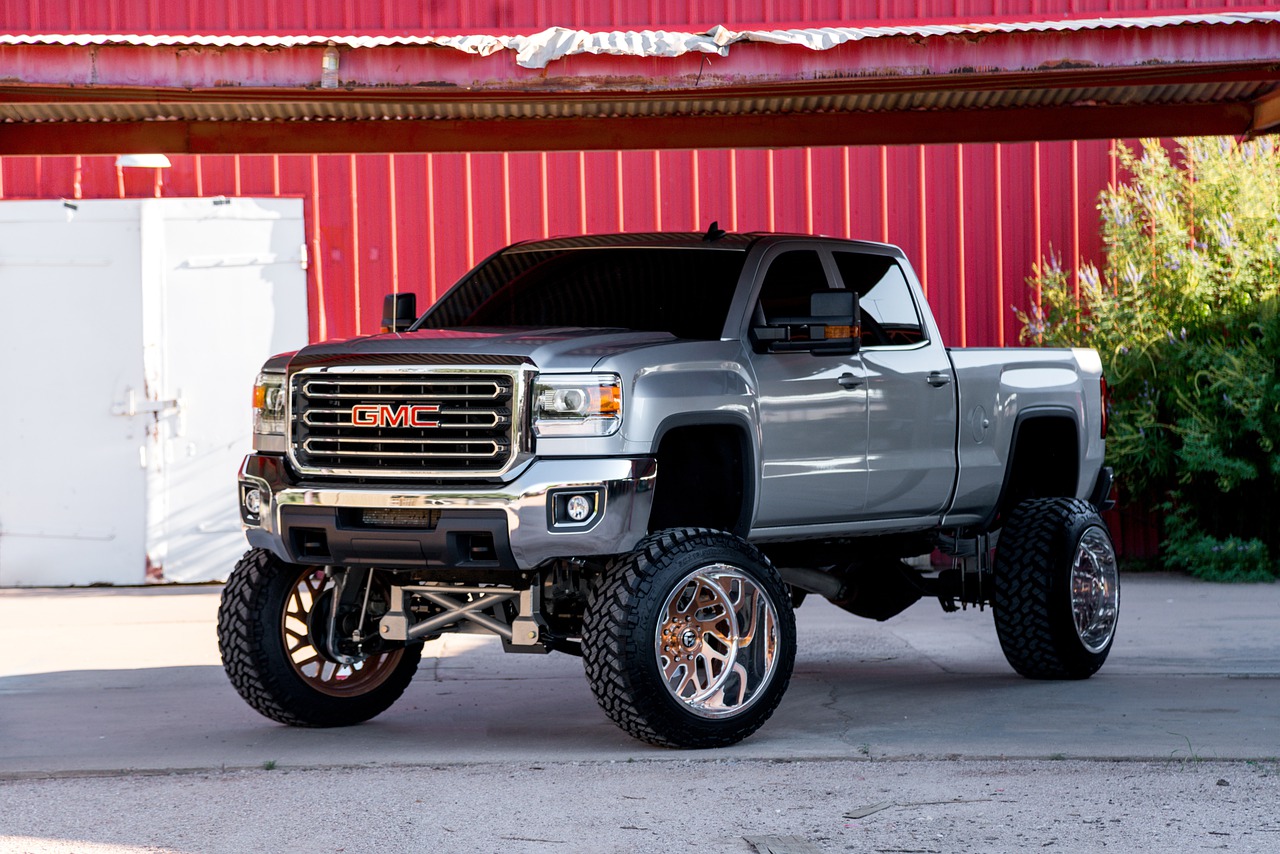

 Two features often found on four-wheel drive vehicles are hill descent control and all-wheel drive traction control. These two features help the car maintain traction and stability on slippery surfaces. Hill descent control helps the vehicle slow down gradually when going down a steep hill. In contrast, all-wheel drive traction control prevents the wheels from slipping. In short, these two features are designed to help the driver maintain control of the vehicle in winter weather.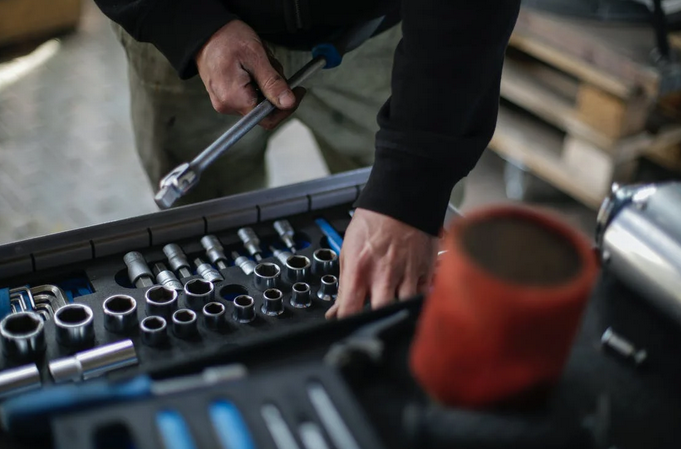
 A warranty or guarantee covers the parts when you order
 One of the most important things to consider when choosing a
  The quality of customer care services is also an essential factor to consider. You want to make sure that you will be taken care of in case you have any problems with your rental car. An excellent way to gauge this is by calling the company’s customer service line and asking a few questions. If they are helpful and polite, that’s a good sign. These are just a few key factors to consider when choosing a car rental company. By doing your research, you can be sure that you’re getting the best possible deal.…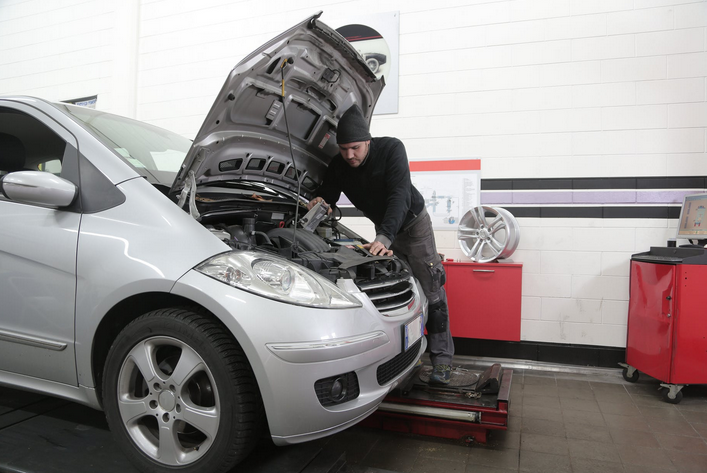
 The next step is to test the engine noise. Start your car and let it run for a few minutes. Then, please turn off the engine and listen carefully to the sound that it makes. Write down how loud the engine is when it’s running and when it’s turned off. This will help you determine which areas of your car need improvement. If you find that your engine noise is too loud, there are a few things that you can do to reduce it. One option is to add sound-deadening materials to your car. This will help to muffle the noise and make it more bearable. You can also invest in a good-quality muffler.
 If you have a hood insulation pad on your car, likely, it’s not doing its job properly. Hood insulation pads are meant to reduce the amount of noise from the engine, but many of them are ineffective. If you’re having trouble hearing your music or phone calls over the sound of your car engine, try replacing your hood insulation pad with a better quality one.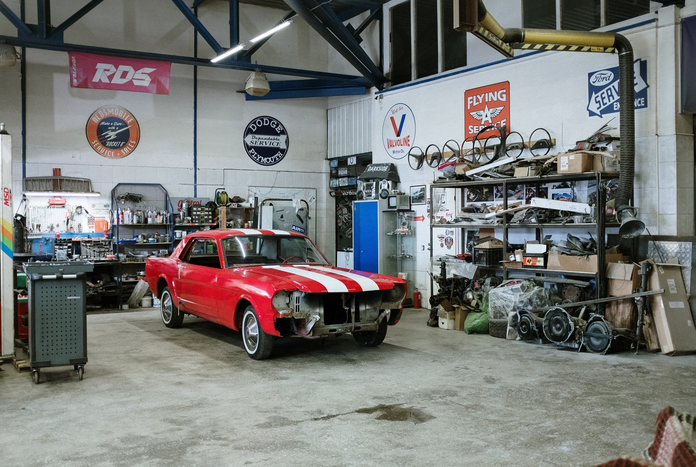
 Since some service providers charge different rates for the same thing, it would be helpful to ask about this beforehand. This is especially true if you are dealing with an independent mechanic rather than a chain store with standardized pricing across all of its locations. You can then compare how much your car repair will cost before agreeing on anything and see what the warranty entails.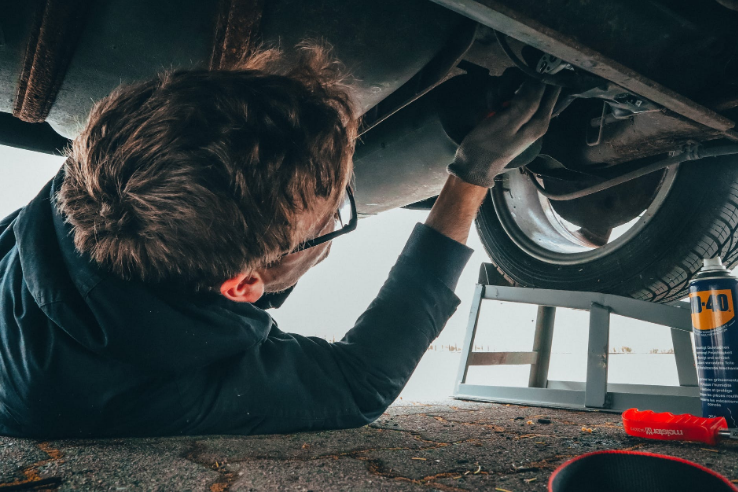

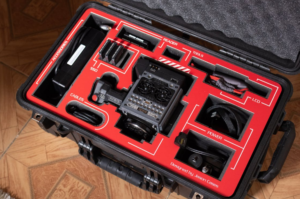 First, a note about your toolbox: did you get the accurate manual for your particular make and vehicle model? You can’t maintain and restore your car or truck without tools. The repair manual consists of pertinent car information, various manufacturer-recommended specifications, systems, fluids, and capabilities, a routine maintenance schedule. It also includes step-by-step procedures with photos and pictures to encourage, diagnose, fix, and replace many elements and components of your car.
 Hand tools, such as circlip pliers and screwdrivers. A wide selection of internal and external circlip pliers is essential. A pair of non-invasive pliers are imperative for small electronics tasks. A whole set of screwdrivers is needed for huge parts, so get yourself some perfect quality screwdrivers. In case you don’t have many tools now, start with a basic mechanical tool kit. It’s cheaper to buy the set than to buy them outright.…
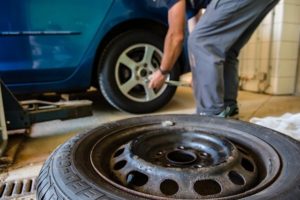 At 79%, tires represent the single most significant mechanical failure factor that causes car accidents. It can be done by suddenly reducing inflationary pressures (popularly known as explosions), or they may be too easy to provide sufficient traction because they cause a harmful reduction in recurrence rates. A burst can occur for several different reasons, for example, when a worn, low, or high tire pressure explodes under pressure or due to a puncture caused by the debris. This sudden drop in air pressure causes the car’s driver to sink suddenly and lead to a wreck, especially as it takes the driver by surprise. It is particularly dangerous during stormy or rainy weather or when after a build-up of oil slick during the dry season, the roads become too slippery. All these things can cause accidents.
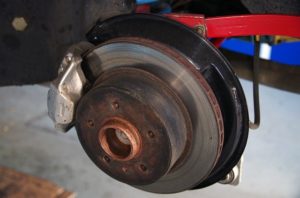 Defective brakes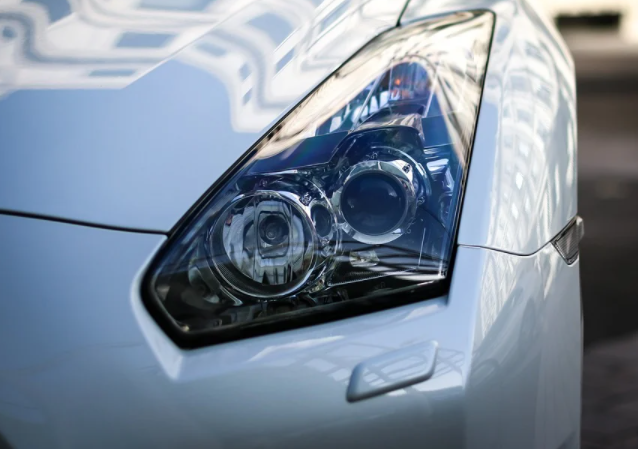

 The BMW M3 was designed for the monitor, and this is something you notice in the streetcar from the beginning. The V8 runs at 8,400 rpm on transversely drilled brake discs. This vehicle takes functionality very seriously. The M3 looks fast even when stationary – the entire body can be used aerodynamically or feed air into the engine compartment. BMW’s M-Division used carbon fiber on the roof to reduce the gravity center and achieved a 50/50 front/rear weight reduction using lightweight materials. The V8 in this M3 is 33 pounds lighter than the E46 generation in-line 6-cylinder engine.
 Yes, your eyes work, and there are no errors. The R35 Nissan GT-R can go 60 miles per hour in 2.9 seconds from a standing start. This generation of GT-Rs is famous for being as fast on the track as supercars costing twice as much or more, and the reputation is well deserved. Its lap time at the Nürburgring of 7:21 was faster than the Ferrari 458 Italia, the Porsche Carrera GT, and even the Pagani Zonda F.

 Another consideration is whether you buy a gas or diesel vehicle or a hybrid or electric vehicle. Each of these vehicles affects the environment differently. If you mainly drive long distances, a gasoline vehicle is a fantastic alternative. Although you usually pay about $3,000 more initially, the cost of gasoline per kilometer you drive is much better than gasoline. If you drive mainly in the city, you choose between a hybrid gasoline vehicle and an electric vehicle.…

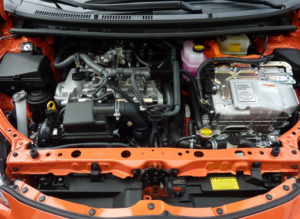 Gas mileage processors, also called performance processors, are devices that connect to your automobile’s motor with the only goal of raising mph and functionality. The processors deliver fuel into your engine through clever communication with your motor vehicle. These devices track your
  The most important reason many automobile enthusiasts buy performance processors would be for the operation gains in both torque and horsepower. When your motor does not need to work as difficult to create energy during combustion, then the outcome is a notable fuel efficiency rise. Less work means less fuel burnt off, allowing your vehicle to maximize the usage.







 A history check is another essential part of the entire transaction. It intends to find out more about the history of the car, including the previous owners, records of services and accidents, and other specific things that have happened to the vehicle. Some dealers offer this service free of charge. But if you are not lucky to have transactions with dealers who do not, you can easily find the service around you.